
Work After Metalor
And Their Children After ThemThis flow traces how Heillange’s industrial decline reshapes work, family expectations, and the forms of survival available to its residents.
increasing Bearing strength in each event
 decreasing
Bearing strength in each eventdecreasingThe Furnace Era
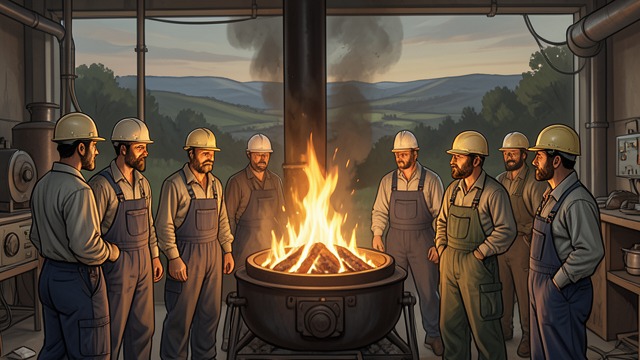
Industry as a World
Work organizes life
Metalor and the valley’s other industrial employers structure generations of employment, family routines, and local identity. Work is physically demanding but also collective and visible.
A legacy in ruins
The blast furnaces become relics after production ends. Their physical remains preserve pride and loss, while offering younger residents little practical direction.
The Job Losses
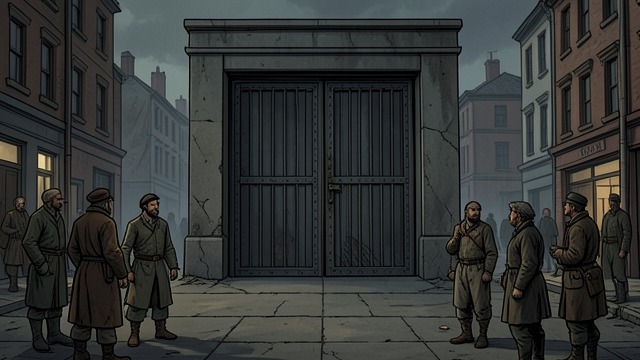
A Shrinking Economy
Fewer secure jobs
The closure and contraction of industry leave families relying on temporary work, small businesses, and unemployment benefits. Patrick’s employment history illustrates how quickly a working life can unravel.
Loss without replacement
The town’s inherited industrial pride remains powerful, but new opportunities are fragmented and insecure. The gap between remembered prosperity and current reality shapes local anger.
Temporary Work Becomes Normal
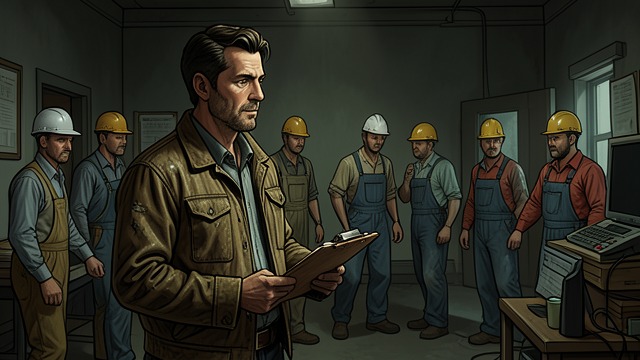
Precarity as Routine
The new job landscape
Anthony moves through temporary jobs before settling at Gordon, while Patrick takes limited work and Hacine demolishes abandoned housing for Solodia. None of these positions restores the security associated with the mills.
A changed definition of labor
Work is increasingly monitored, divided, and insecure. The characters are expected to adapt individually to an economic transformation they did not choose.
Leisure as a Development Plan
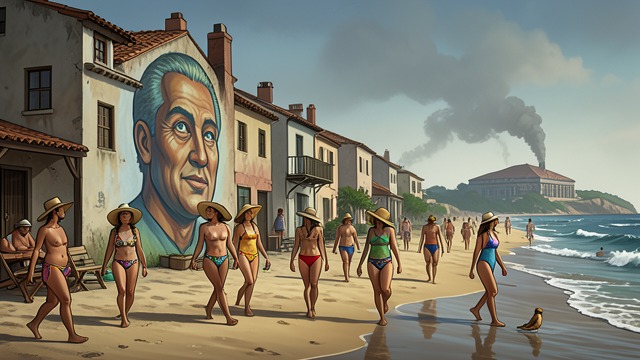
Selling a New Future
Tourism replaces production
City officials promote campsites, sports facilities, events, and a future regatta as alternatives to industrial employment. Development plans promise that visitors and recreation can revive the valley.
An uncertain promise
New investment changes the town’s appearance but not the insecurity facing many residents. The polished leisure economy coexists with low-paid work and abandoned industrial ground.
The 1998 Industrial Present
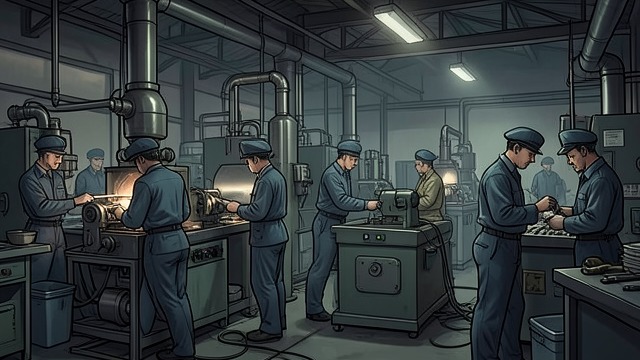
Still Inside the Factory
Anthony at Gordon
Anthony works in a metal-processing plant as France celebrates its World Cup success. His job is structured by quotas, supervision, and the careful pace workers use to protect themselves.
National joy and local reality
The football celebration temporarily lightens the workshop, but it does not change the employment structure. The industrial crisis persists beneath the appearance of collective renewal.
The decades before the novel’s main events
The years before 1992
1992–1998
By the mid-1990s
July 1998
